Cats
5 min read
·
Brushing a long-haired cat without the drama
Persians, Maine Coons and ragdolls cannot keep up with their own coats. Here is how to help without ending the session in a sulk.
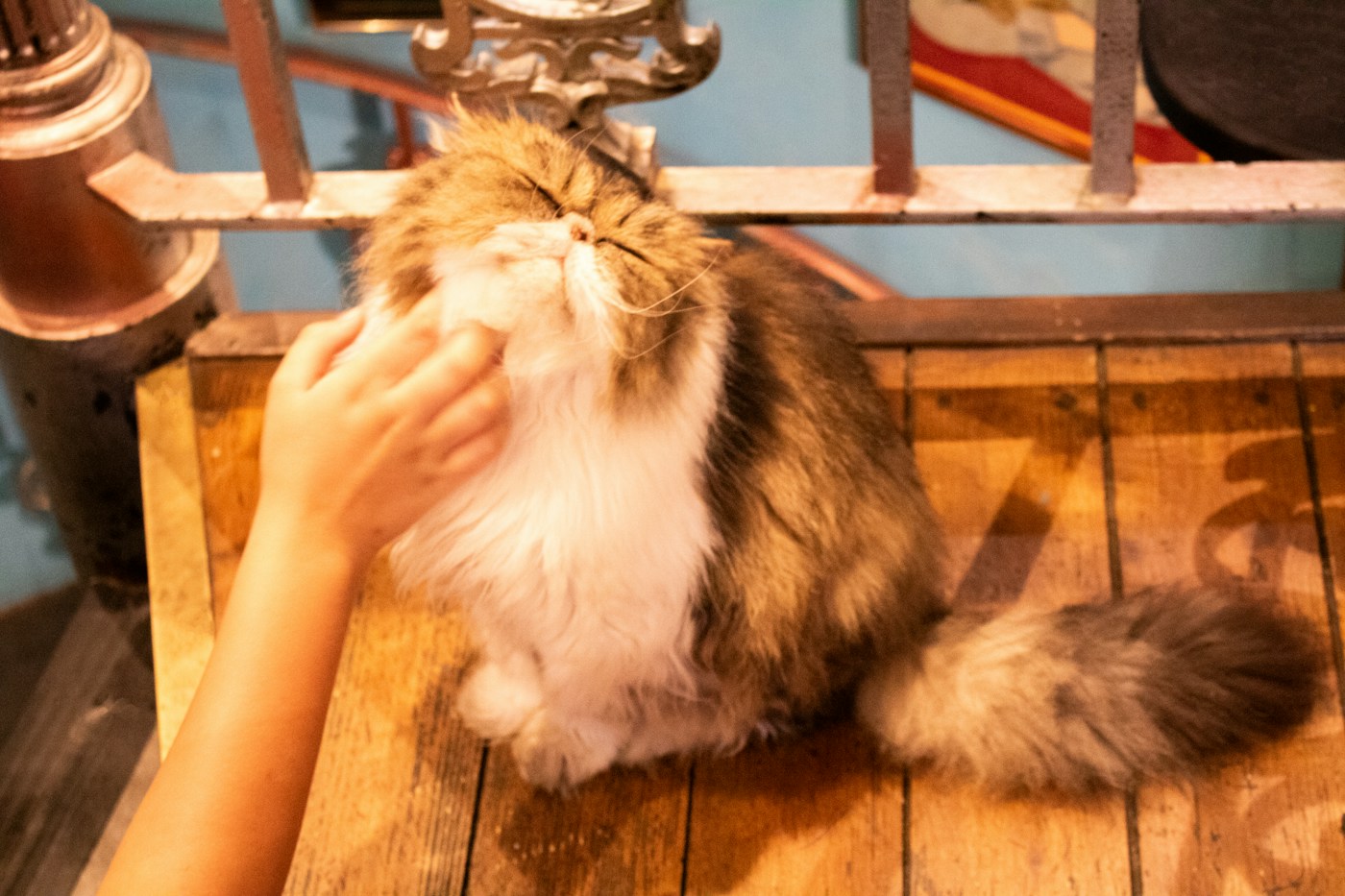
Long-haired cats groom themselves constantly and still fall behind. The fine undercoat sheds into the longer guard hairs and knots there, usually along the back legs, under the arms and around the ruff. Once a knot tightens to the skin it pulls every time the cat moves, which is why so many cats start to resent being touched in those spots.
Short sessions, same time every day
Cats tolerate routine far better than marathons. Two or three minutes after a meal, when your cat is relaxed and slightly sleepy, is enough. Start with the places they already like being stroked, usually the cheeks and the top of the head, and work outward from there. Stop before they ask you to, and finish with a treat every single time.
The tools that actually work
A wide-toothed metal comb for the undercoat and for checking for knots
A soft slicker brush for the top coat and finishing
A dematting comb used only on small knots, never pulled through a mat
Cornstarch rubbed into a small tangle to help it slide apart
What to do about a real mat
If a mat is larger than a coin or sits tight against the skin, do not cut it out with scissors. Cat skin is thin and moves with the coat, and the most common injury we see is a scissor cut from a well-meaning owner. Book a groom instead. We can clip it out safely in a few minutes and the cat barely notices.
When a lion cut is the kind option
For cats who will not accept brushing at all, or who have fallen seriously behind, a lion cut takes the pressure off everyone for two or three months. It is not a failure. Many of our regulars come in twice a year for one and go home looking very pleased with themselves.